Every city has
rooms it pretends
don't exist.
A weekly dispatch into the spaces that memory left behind.
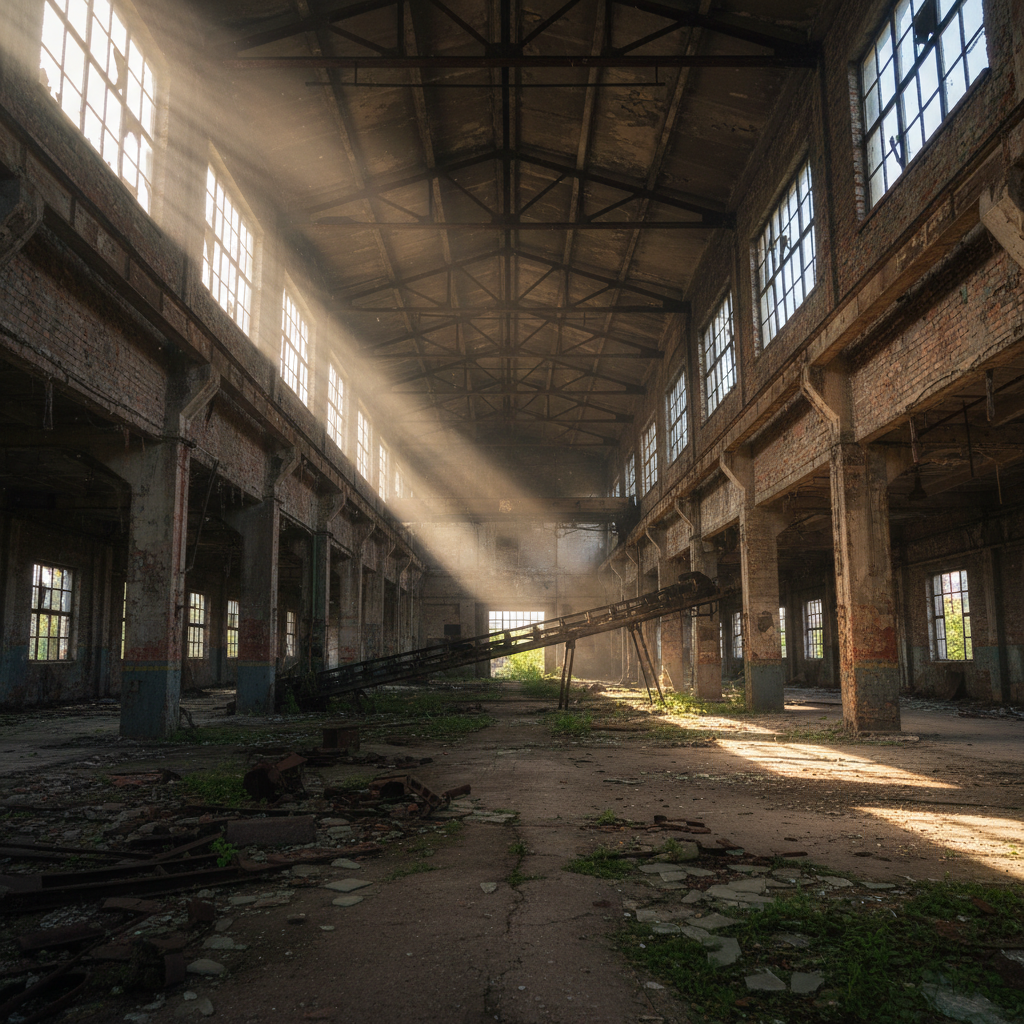
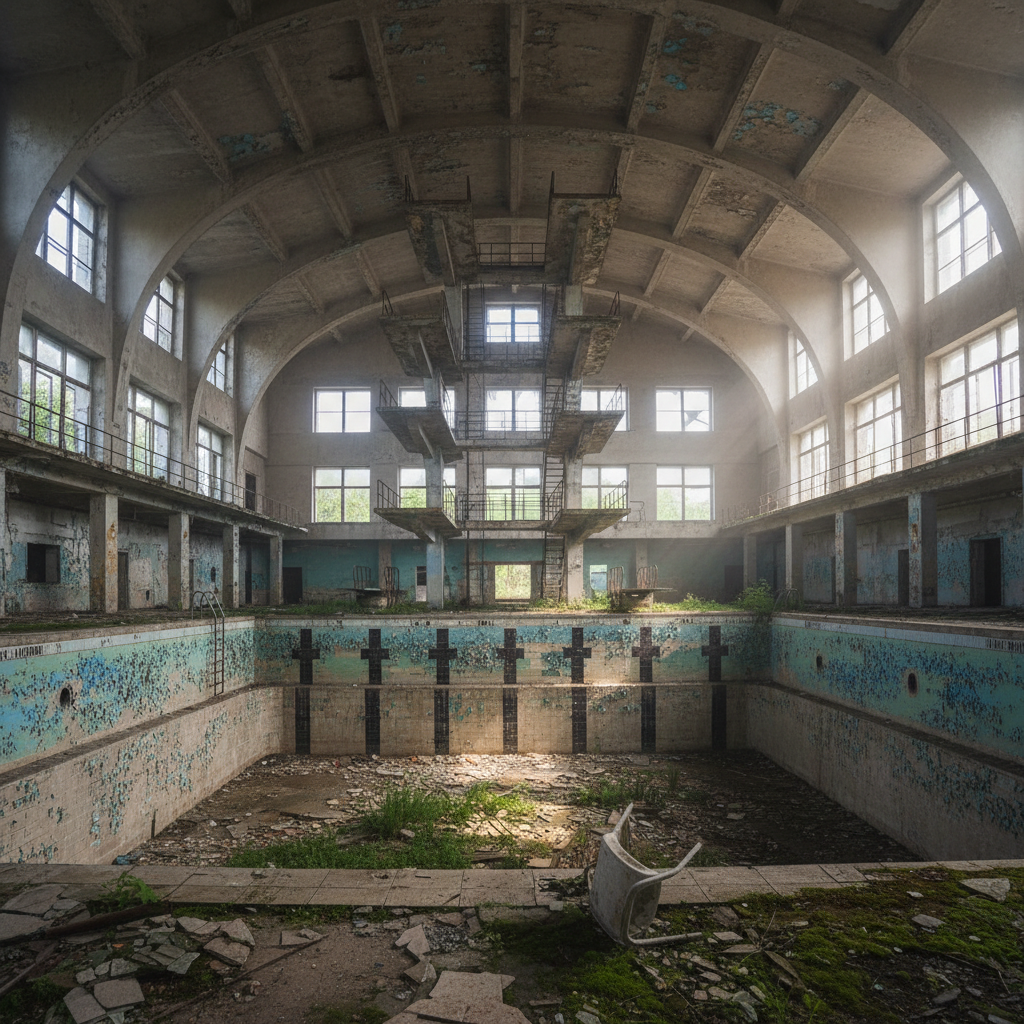
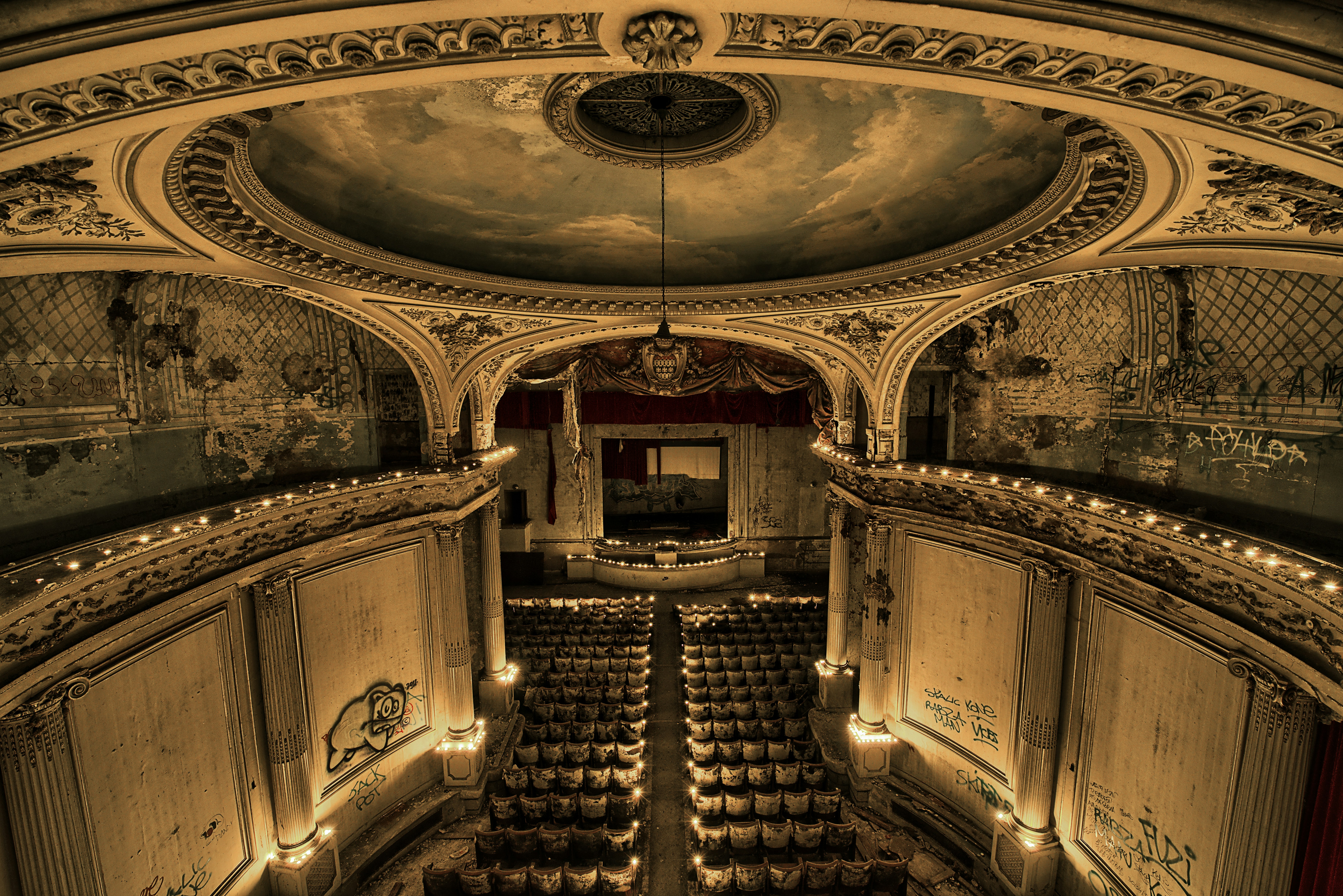
Abandoned spaces are not failures.
They are the city's honest diary.
Every derelict hospital holds the sediment of ten thousand recoveries and departures. Every shuttered factory floor is a record of labor, ambition, and the particular cruelty of market forces. These buildings don't decay — they accumulate. Layer over layer of paint, decision, and time, until the walls themselves become a kind of stratigraphy.
Drift exists because someone should be paying attention. Not with sentimentality, not with the horror-tourism of ruin porn — but with the careful, architectural eye that these spaces deserve. We photograph what cities are trying to forget.
“A building in decay is not a ruin. It is a building still in conversation with time.”— From Dispatch No. 083, Chernobyl Exclusion Zone
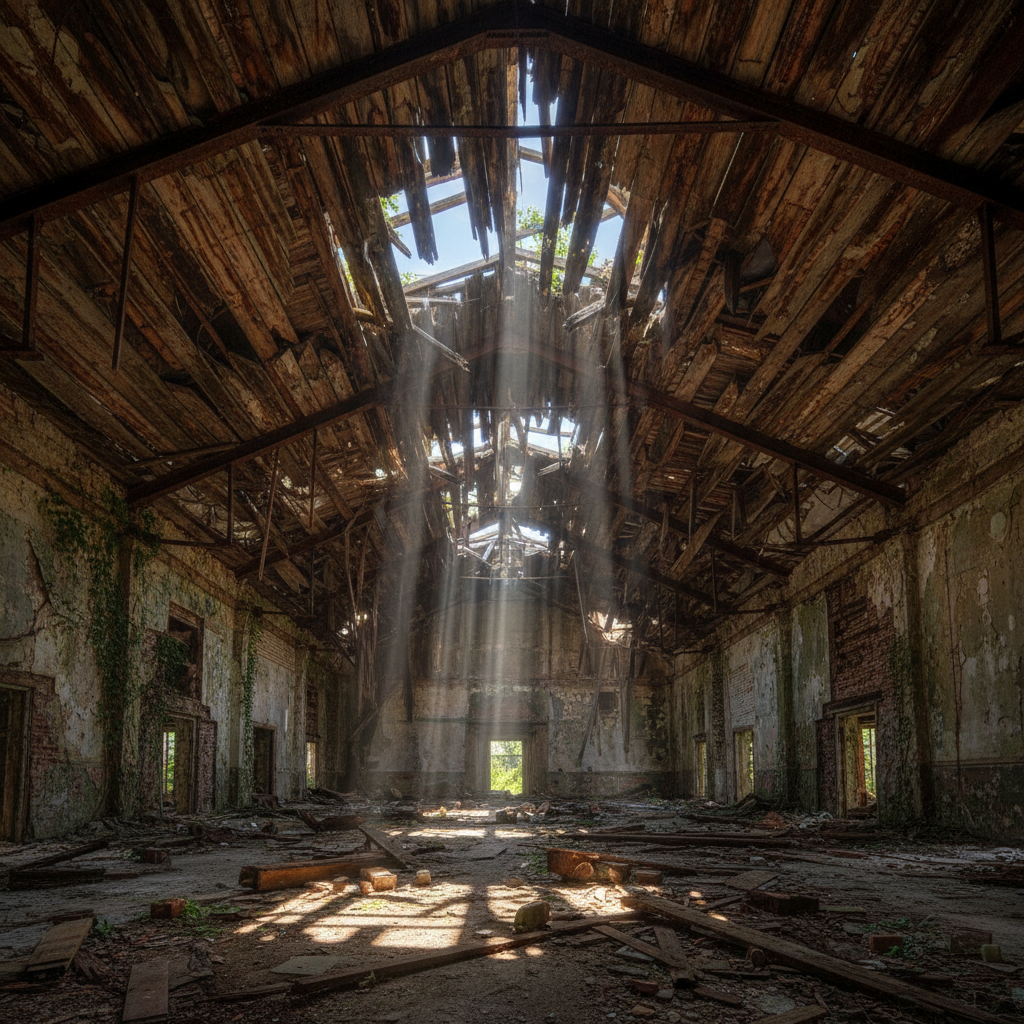
Preservation
Documenting a space is a form of preservation. Before the wrecking ball, before the developer's render, we make a record.
Memory
Buildings hold collective memory in their walls. To photograph them is to witness — and to refuse the amnesia of demolition.
Entropy as Beauty
Decay reveals structure. The stripped-back building shows you what the finished one was always trying to hide.
Every issue is
a single building,
fully witnessed.
Each weekly dispatch takes one abandoned space and documents it from every angle — architectural, historical, photographic, and ethical. No listicles. No slideshows. One building. One hour of your attention.
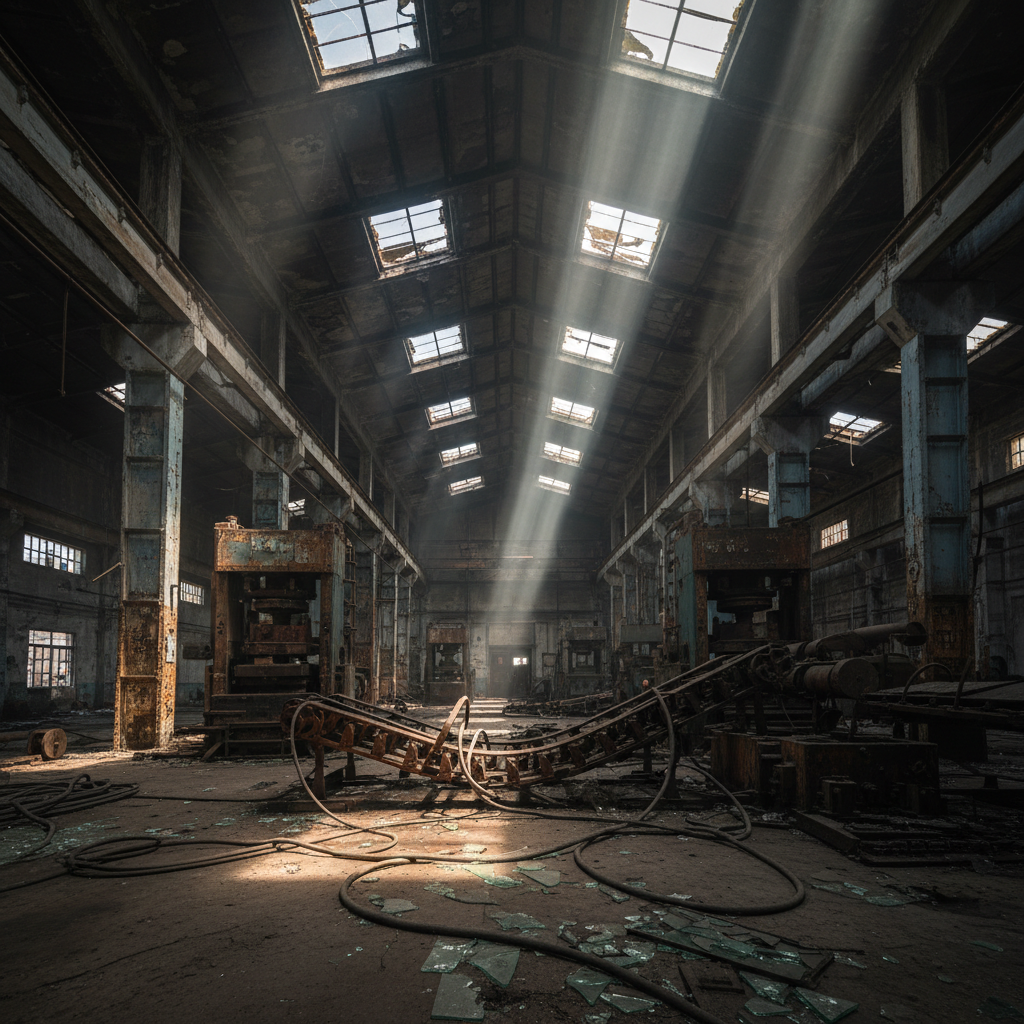
The Location Report
600–900 wordsA first-person account of accessing and moving through the space. Written with architectural precision — floor plans described in prose, material conditions noted, the quality of light at different hours.
The Photograph Series
8–12 imagesShot on film or high-resolution digital. No HDR, no compositing. We document as we find it. Images are sequenced to recreate the experience of walking through the space.
The Historical Layer
300–400 wordsArchive research into what the building was, who built it, who used it, and why it was abandoned. The gap between its last use and now, measured in years and in consequence.
The Ethics Note
Every issueWe do not publish addresses. We do not encourage trespass. We document, we witness, we leave only footprints. Location ethics are non-negotiable at Drift.
Photographs from
the field.
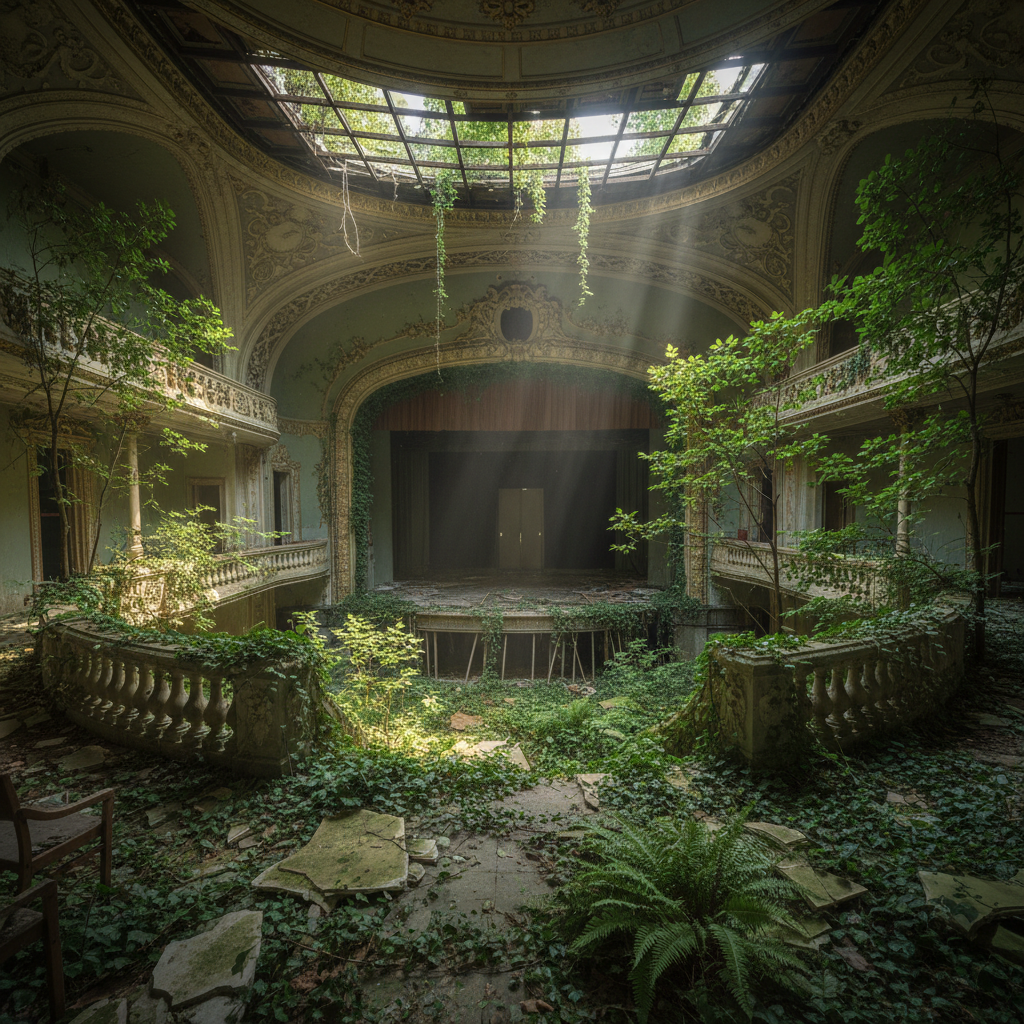
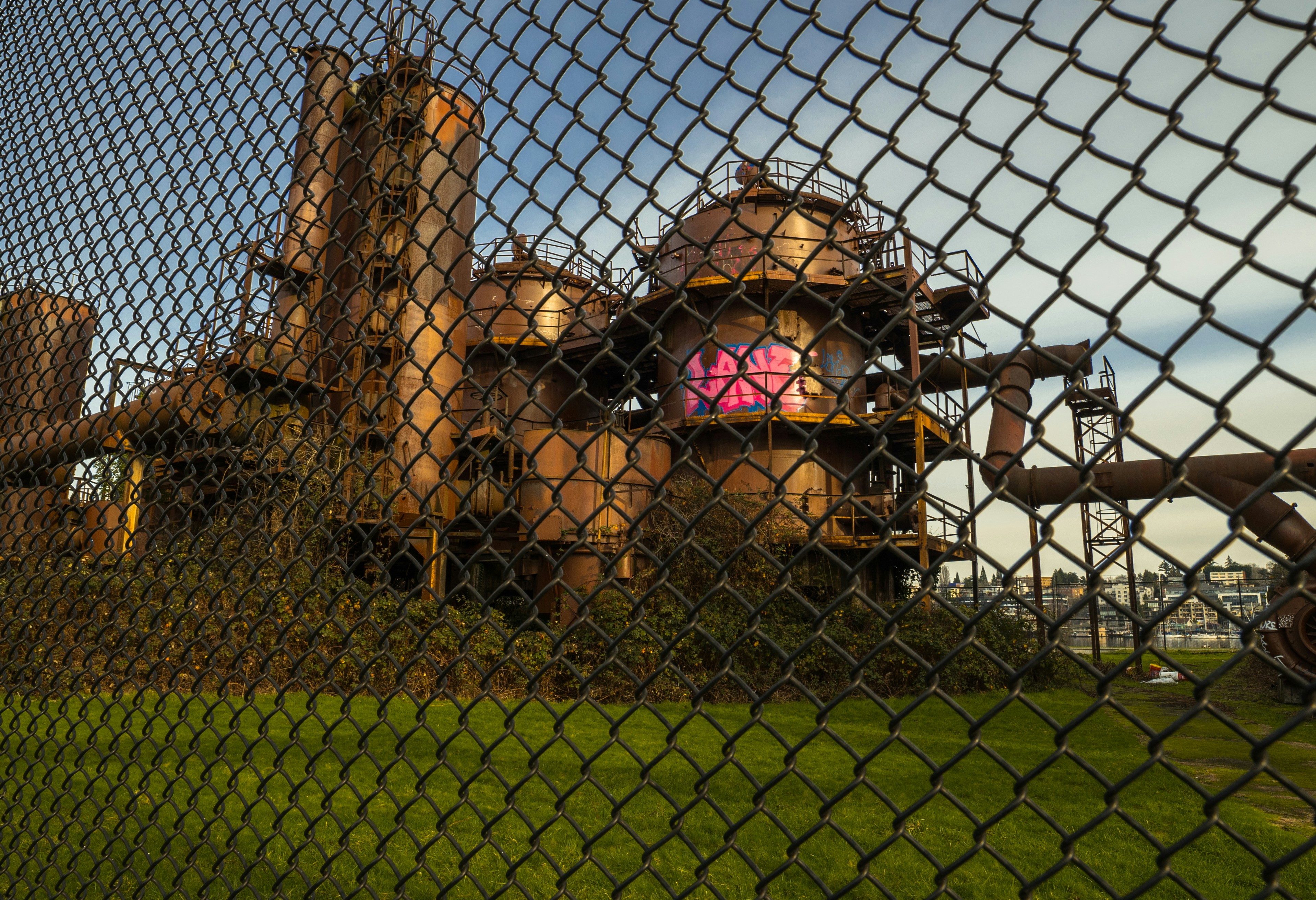
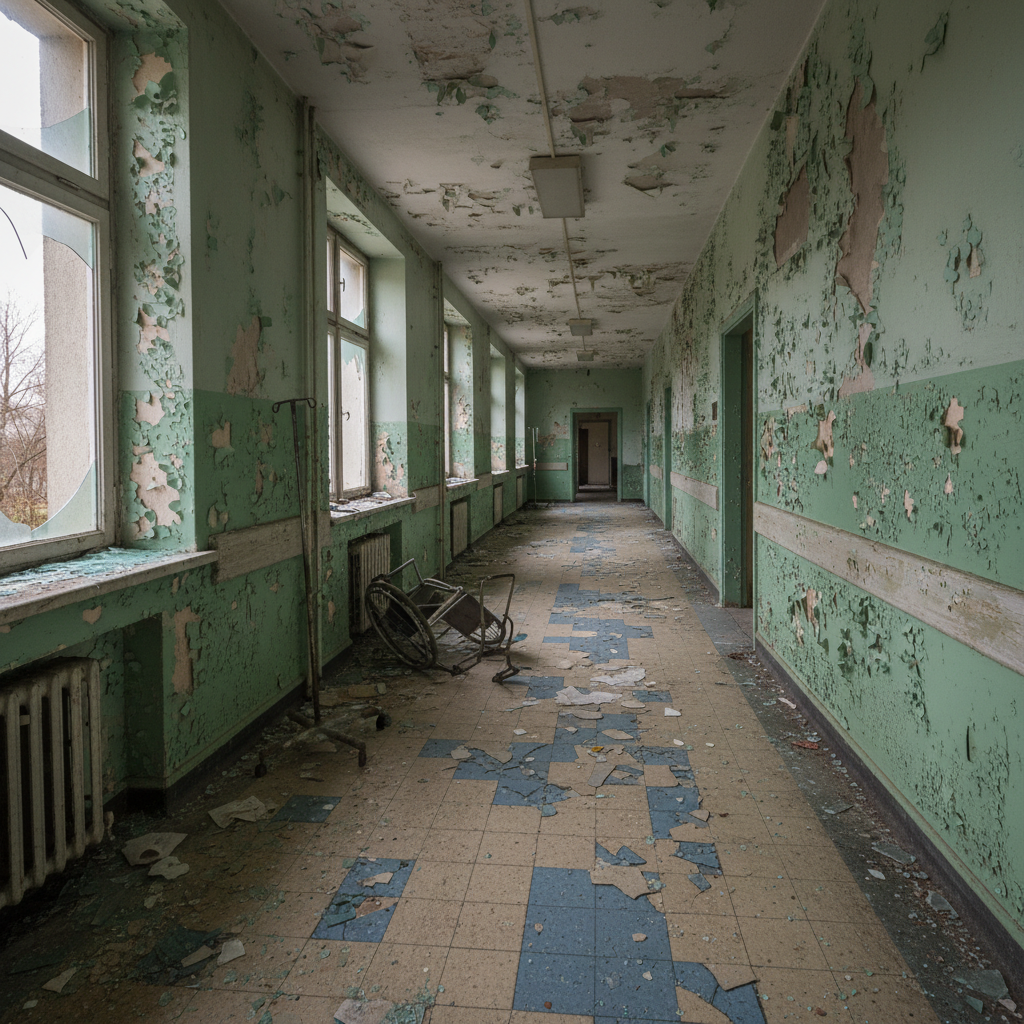
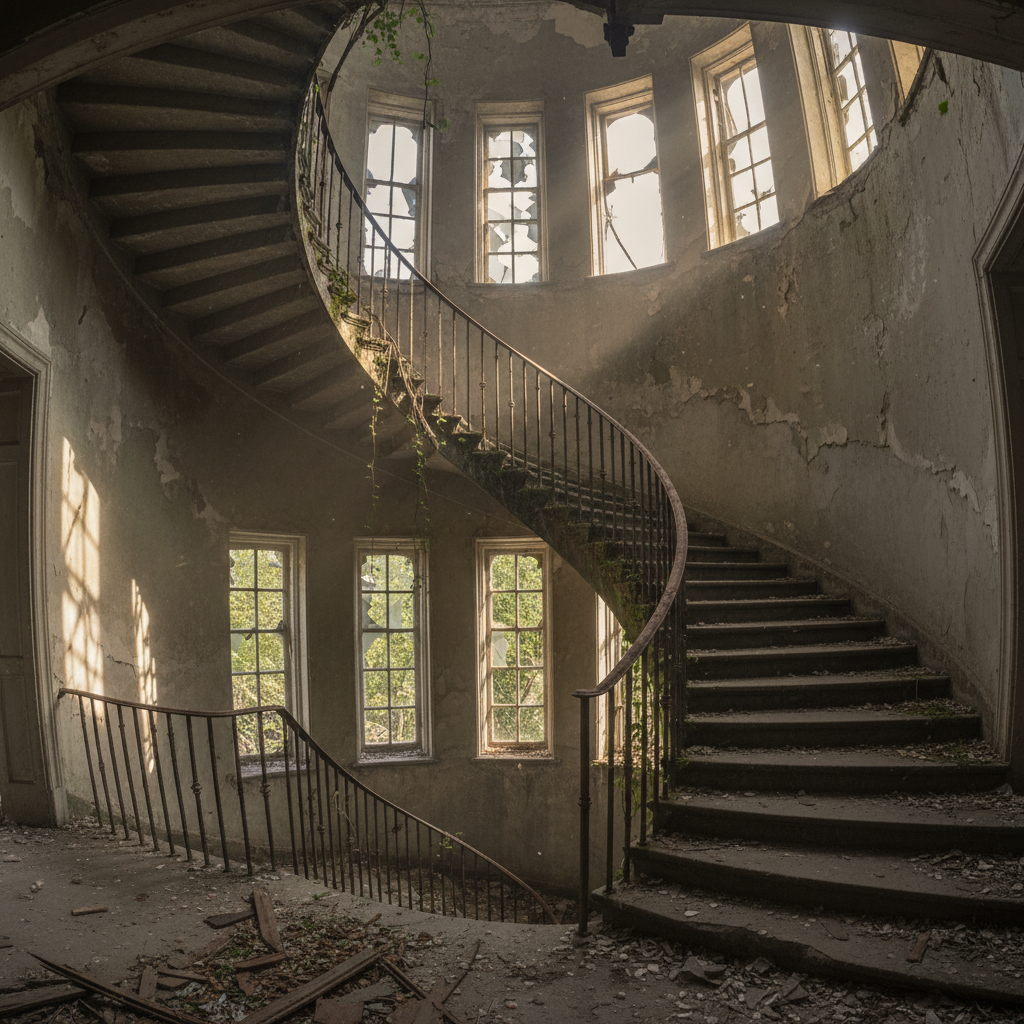
Each week, subscribers submit photographs from their own explorations. We curate a small selection — captioned with city and year only. No names, no addresses.
Submit your photograph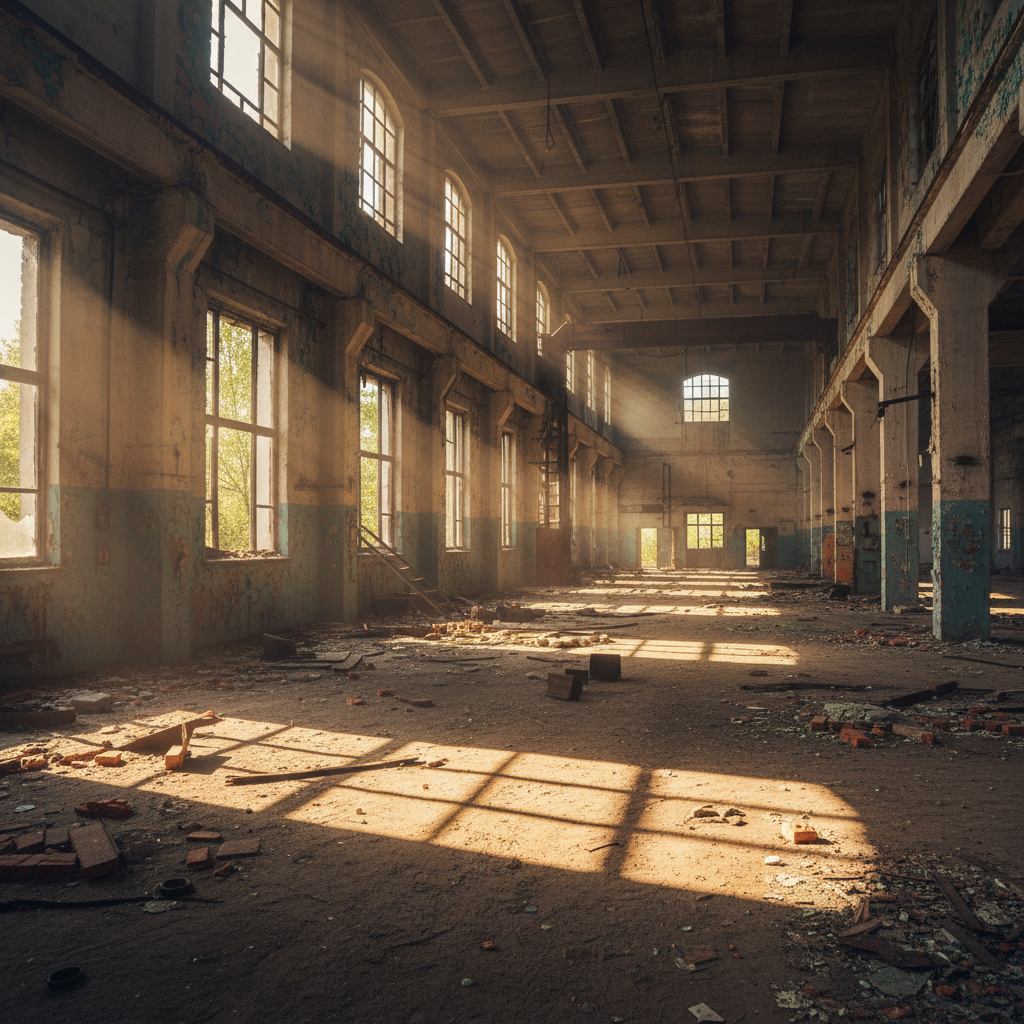
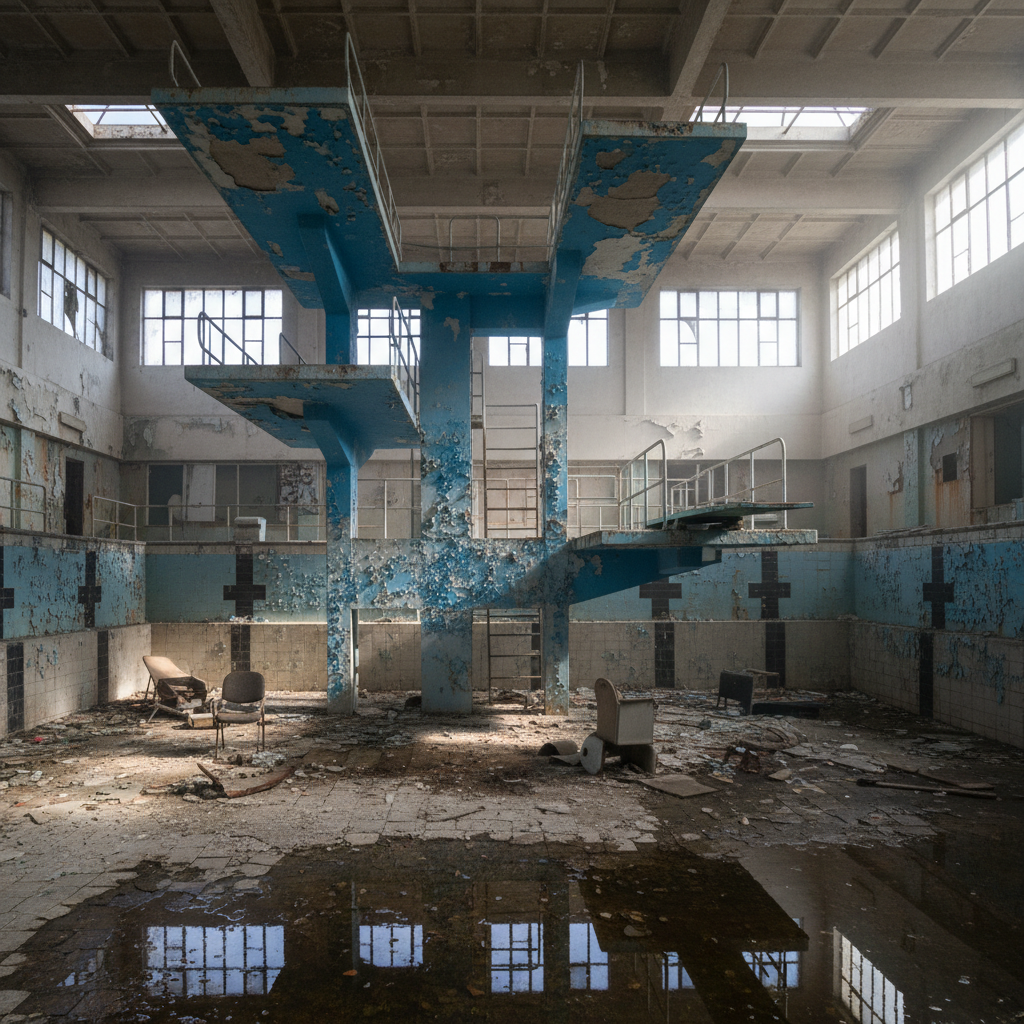
Five questions.
One archetype.
Your result unlocks a curated sample dispatch matched to your explorer type.
The space that calls to you
The last three
buildings witnessed.
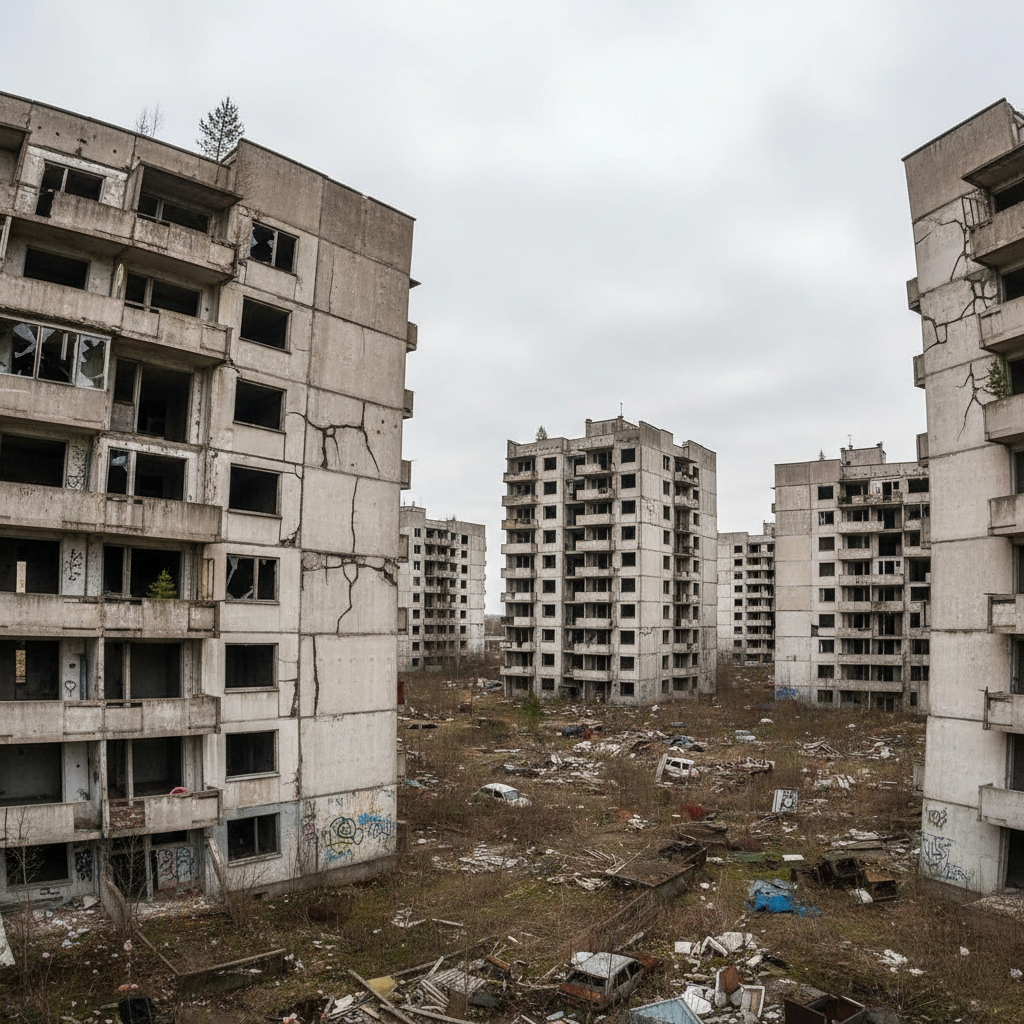
Szklane Domy— Upper Silesia, Poland
The modernist housing blocks were built to last a century. They lasted forty years before the mine beneath them subsided and the decision was made to let them go slowly.
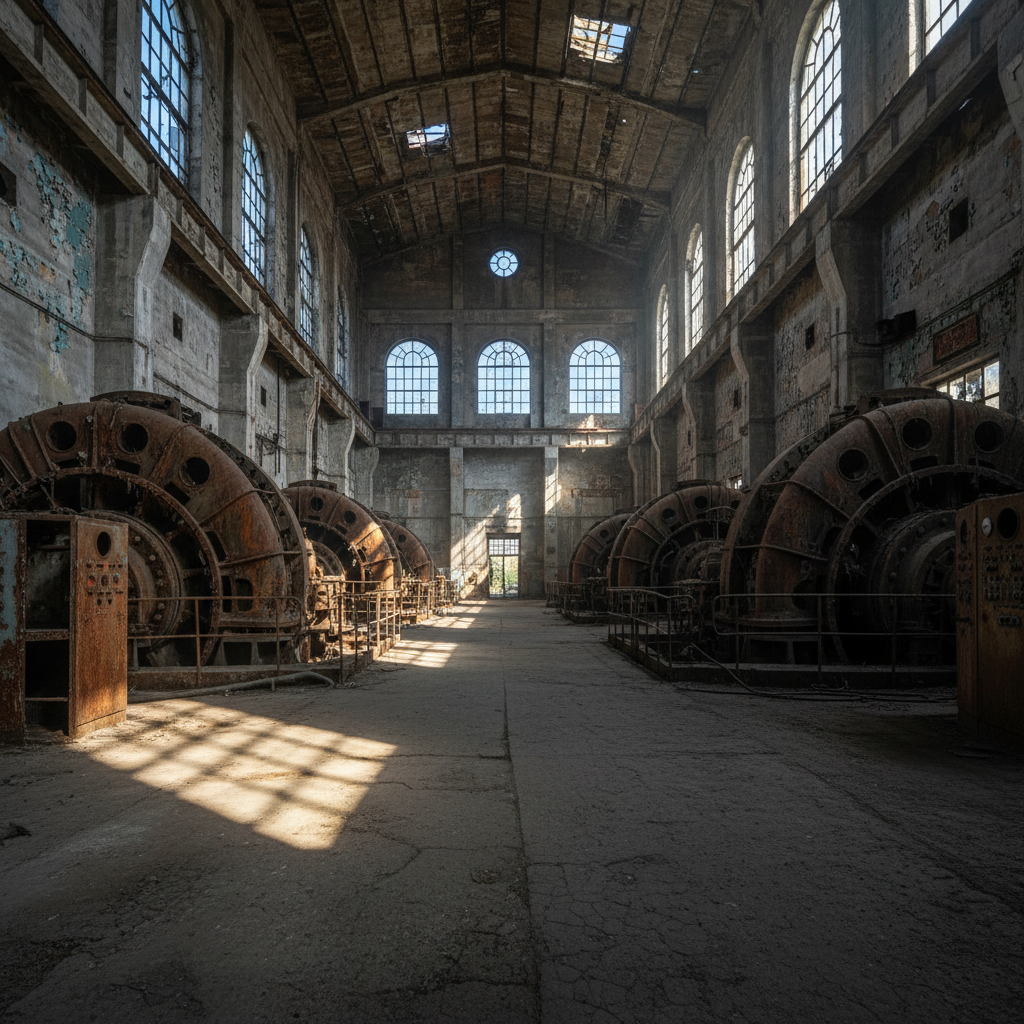
Battersea B Station— London, England
Before the developers arrived, we documented what remained of the turbine hall — the scale of it, the particular quality of the light through its clerestory windows at 4pm in December.
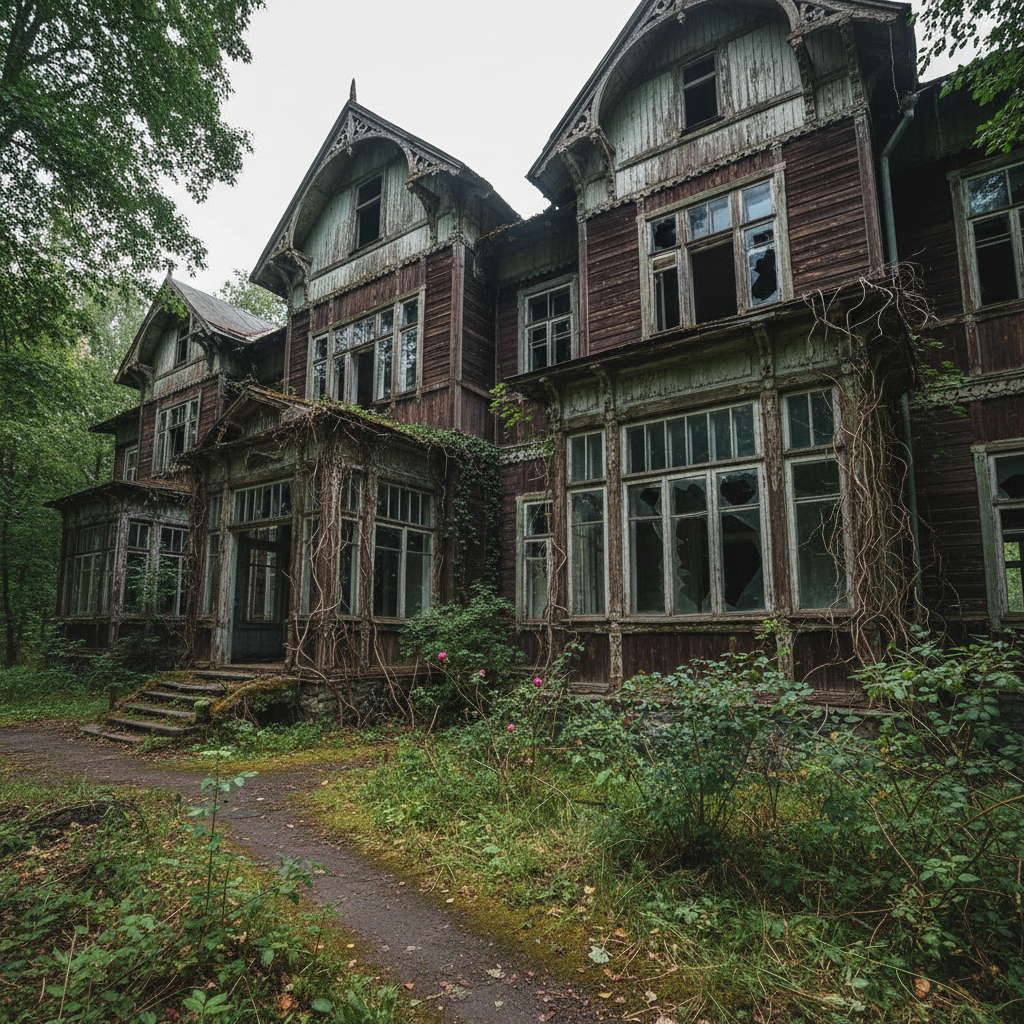
Sanatorium Zofiówka— Otwock, Poland
The wooden sanatorium was built for tuberculosis patients in 1900. The windows are enormous — designed to fill the wards with light and air. Now the light falls on nothing.
Every week, one forgotten building.
147 issues. 12,400 readers. No advertising.